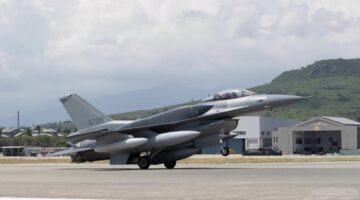
After yearslong delay, Taiwan receives first pair of new F-16s
The two jets landed at an airbase in eastern Taiwan on Friday.
The two jets landed at an airbase in eastern Taiwan on Friday.
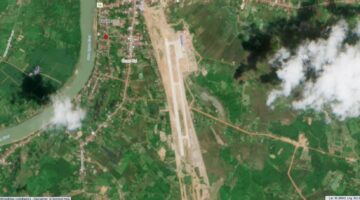
Satellite imagery shows the new facility is built in part on a purported old US airstrip used during the Vietnam War.

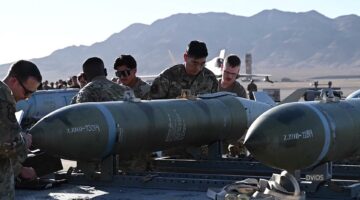
Threats have changed the range, seeking and attack capabilities necessary to ensure effectiveness.
NORTHCOM is testing ways to counter drone incursions, while an Air Force institute focused on China faces questions about its future.
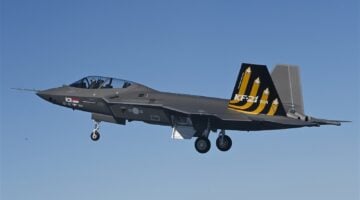
Introduction of KF-21 into South Korea's military marks a significant milestone for country's defense industry.

The drone age did not end armored warfare. It rewrote the terms of survival, and Chinese military analysts are paying attention.

The Air Force’s stance that the China Aerospace Studies Institute can function without civilian staff is “not credible,” Brendan Mulvaney told Breaking Defense.

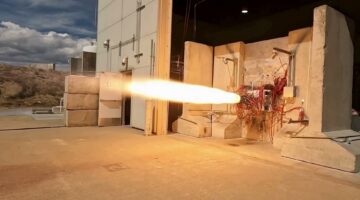
Demand signals from leadership are shaping investments in design, engineering and manufacturing.
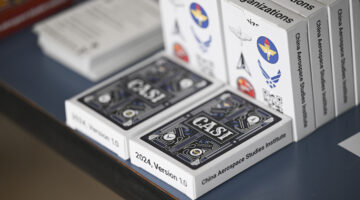
The China Aerospace Studies Institute will carry on by “leveraging assigned military service members to accomplish its objectives,” according to an Air Force spokesperson.
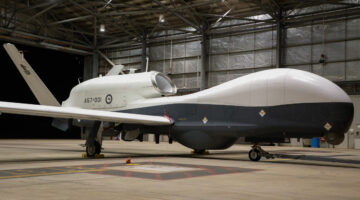
Attaining IOC for the RAAF's MQ-4Cs has “significantly strengthened its ability to deliver persistent intelligence, surveillance and reconnaissance effects across Australia’s primary area of military interest,” according to the announcement.
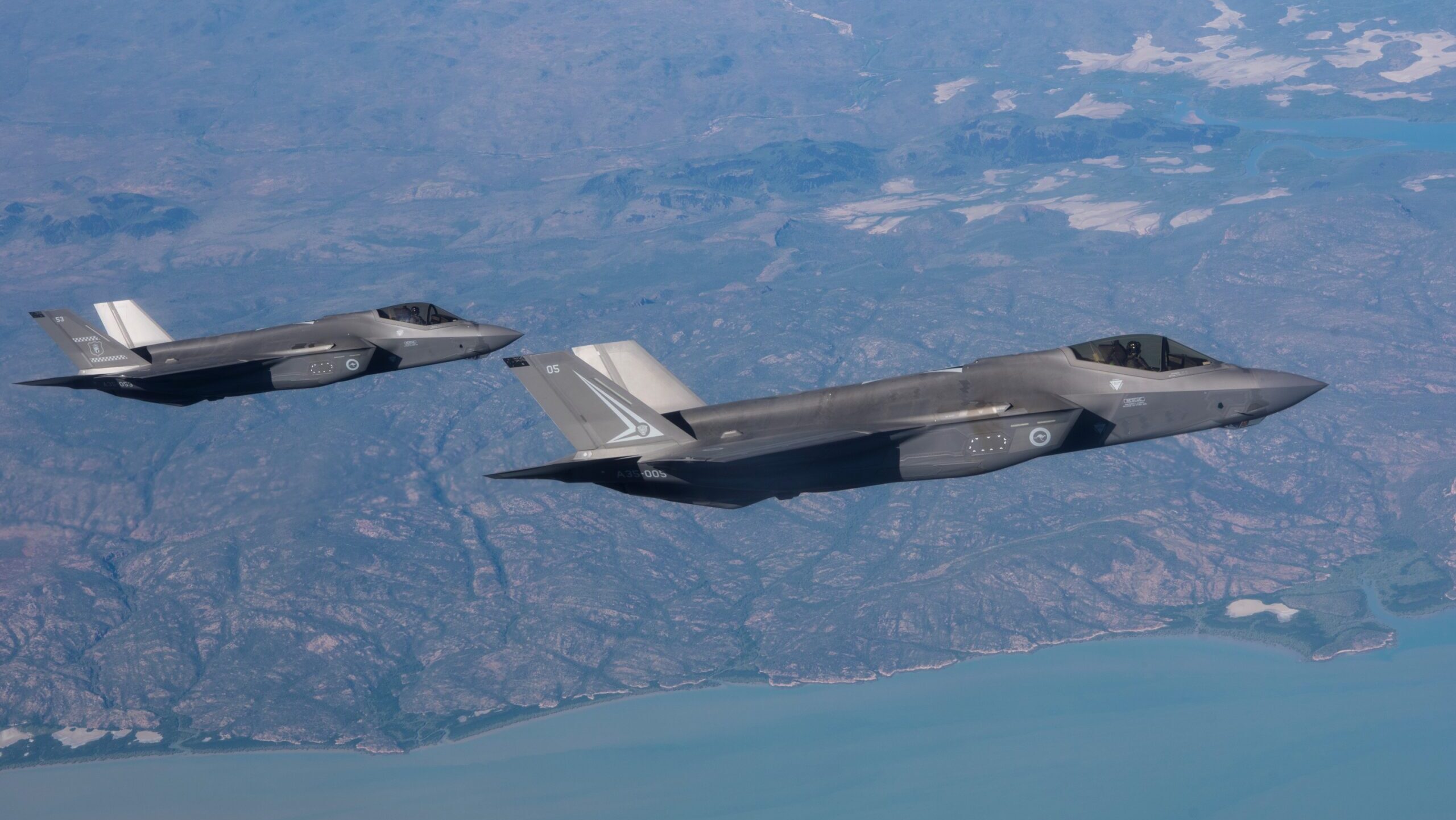
After parts reportedly made their way to Hong Kong, a Lockheed Martin spokesperson told Breaking Defense that the missing components “are unserviceable and deemed low risk for exploitation."
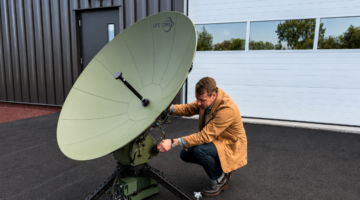
Australia's LAND 4140 program aims to modernize the Australian military's land-based C4I architecture across all domains.

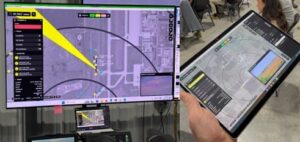
Architecture that linked sensors, C2, RF effects, and lasers into a distributed c-UAS kill chain.
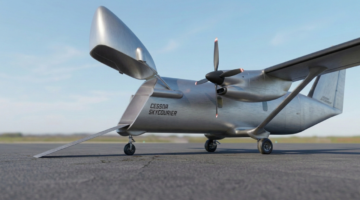
“We can't devote C-130s and C-17s to do a lot of these little shuttle missions,” said retired Maj. Gen. Kyle Kremer, a Merlin advisor.
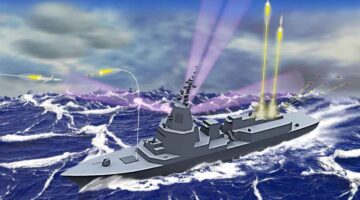
Japan and South Korea are stepping up their naval game in the face of China's phenomenal expansion.
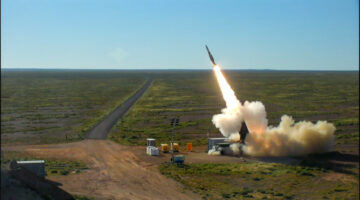
Lockheed Martin says the enhancements under Australia’s Project AIR6500 Tranche 2B will establish a “scalable path” for future improvements and integration of future technological advances.

The proliferation of AI is forcing the USAF to rethink cyber defense, and a new regional defense pact could shake up arms sales in the Middle East.